-
Merino Wool
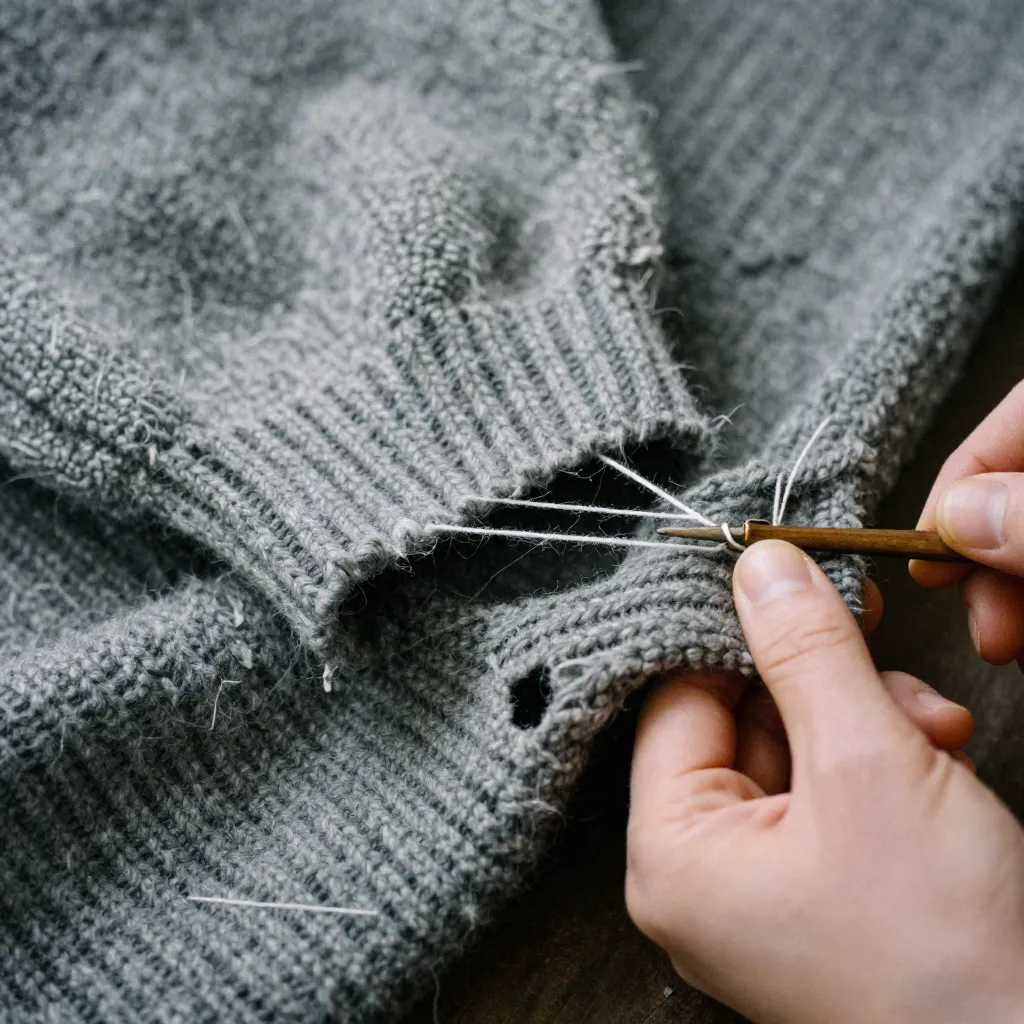
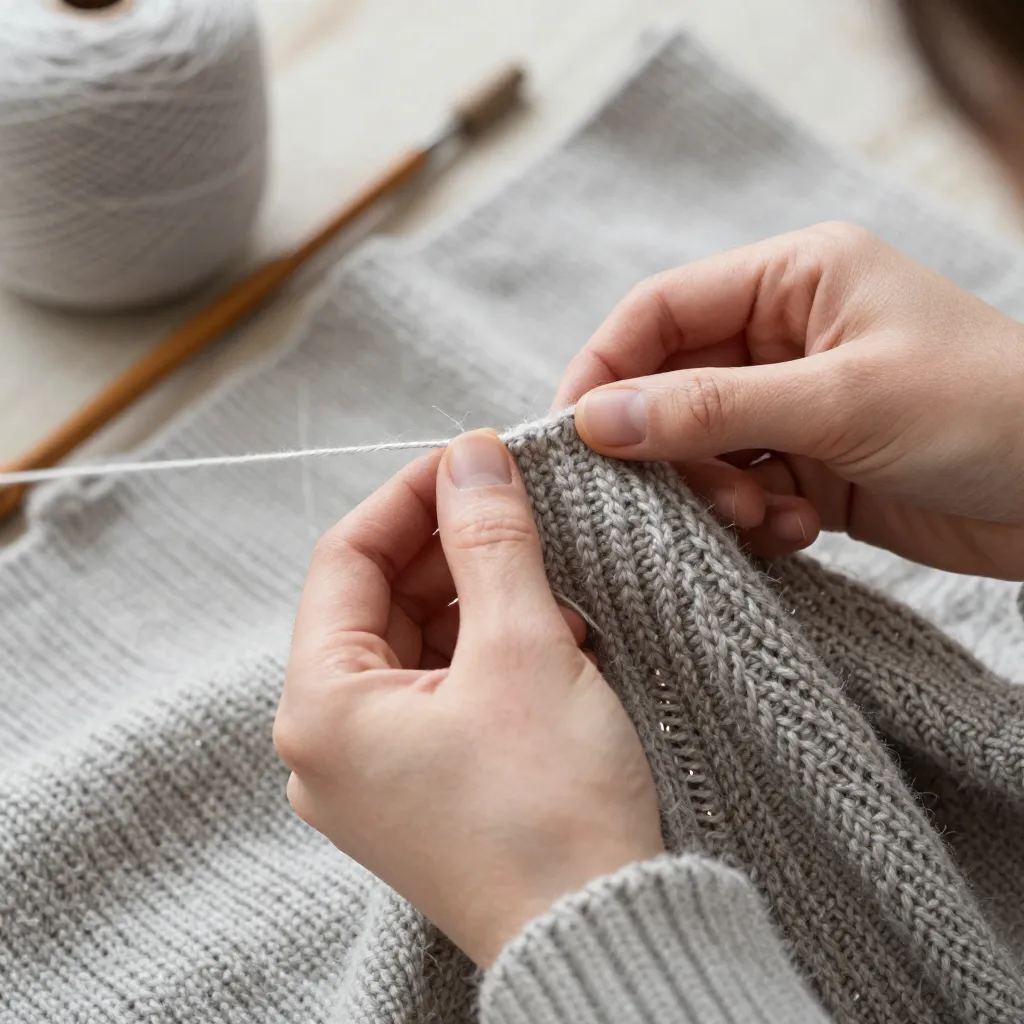
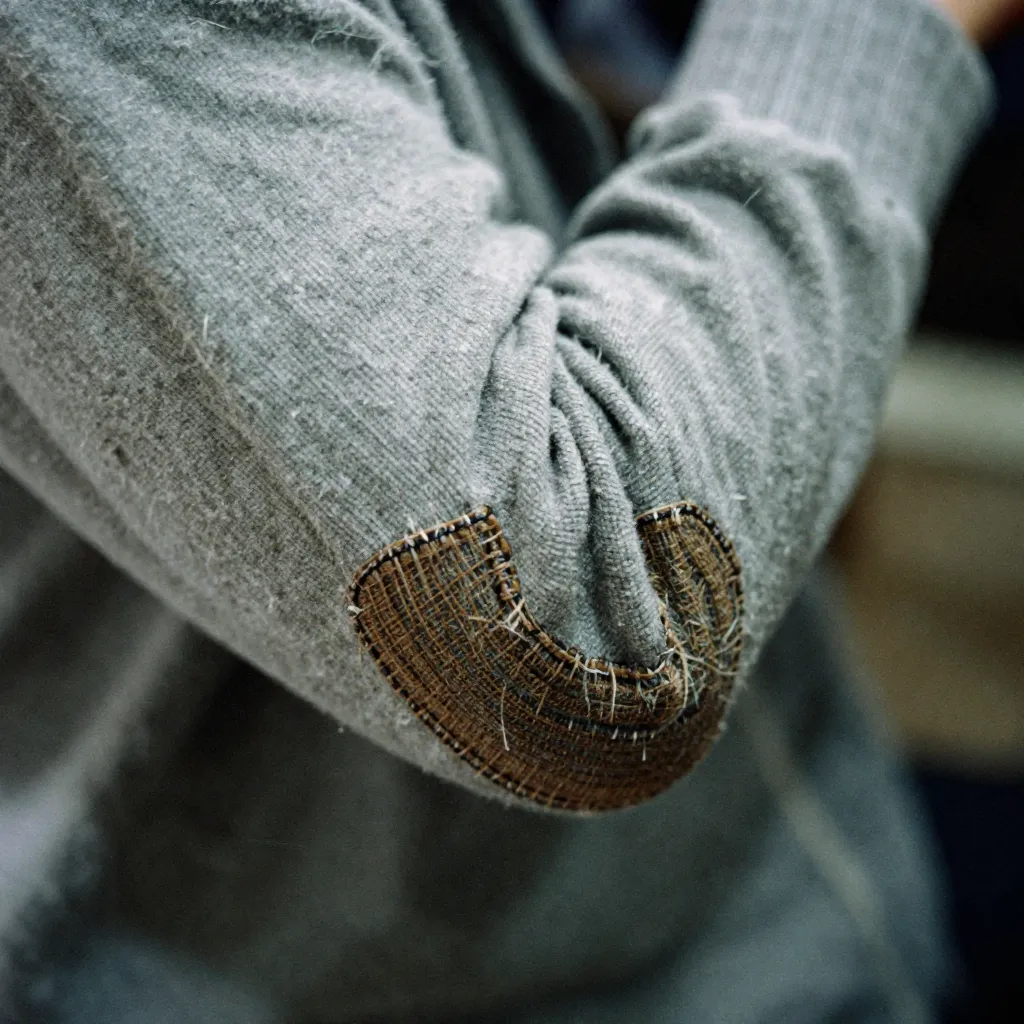
Merino wool features fine, soft fibers that create smooth, comfortable garments. When mending Merino, use fine needles and matching yarn weights to maintain the fabric's delicate drape. The fibers have natural elasticity, so repairs should accommodate this stretch without creating tension points.
Common in base layers and lightweight sweaters, Merino requires gentle handling during repair. Avoid heavy darning that could create stiffness in the fabric.
-
Alpaca Fiber
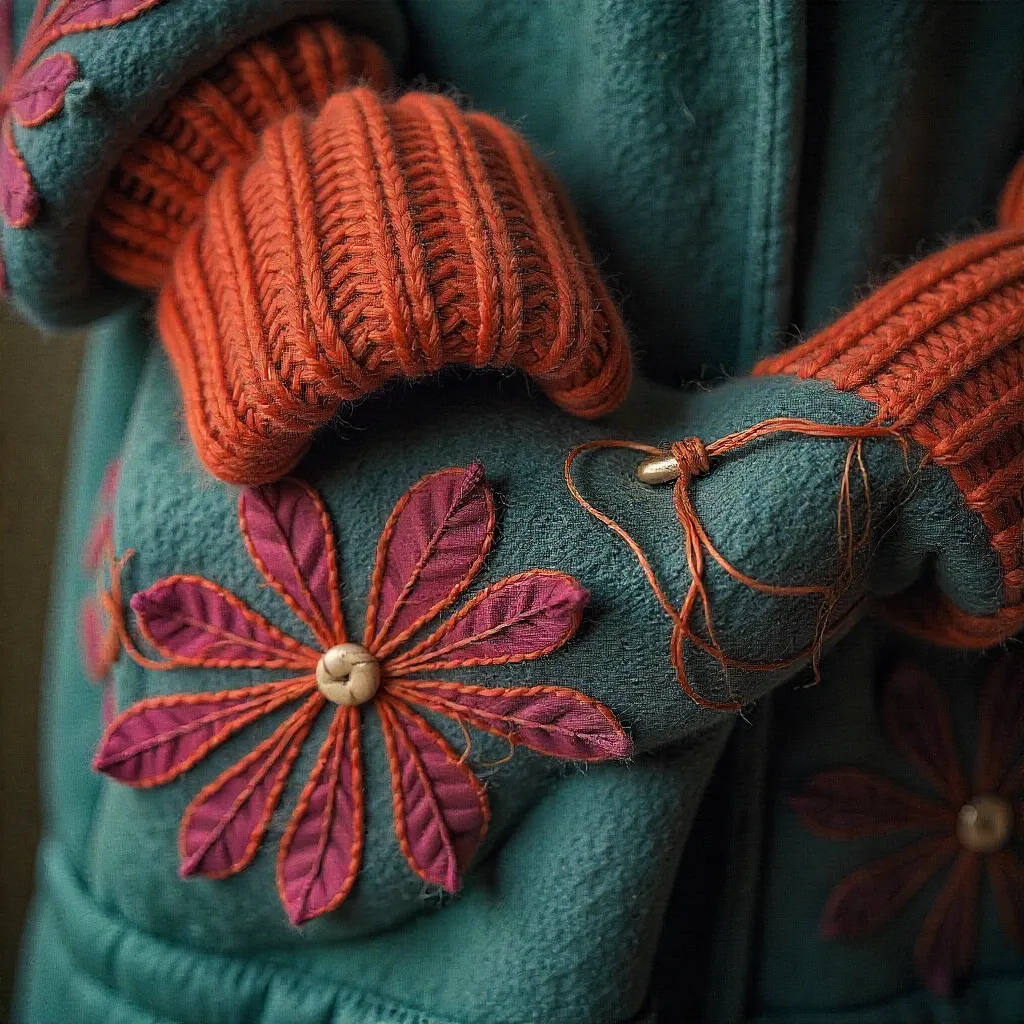
Alpaca fibers are hollow, providing excellent insulation while remaining lightweight. This structure means alpaca garments require careful mending to preserve their insulating properties. Use techniques that maintain the loft of the fibers rather than compressing them.
Alpaca has less natural elasticity than sheep's wool, so repairs should account for this difference. The fiber's smooth surface means knots may need extra securing to prevent unraveling.
-
Mohair
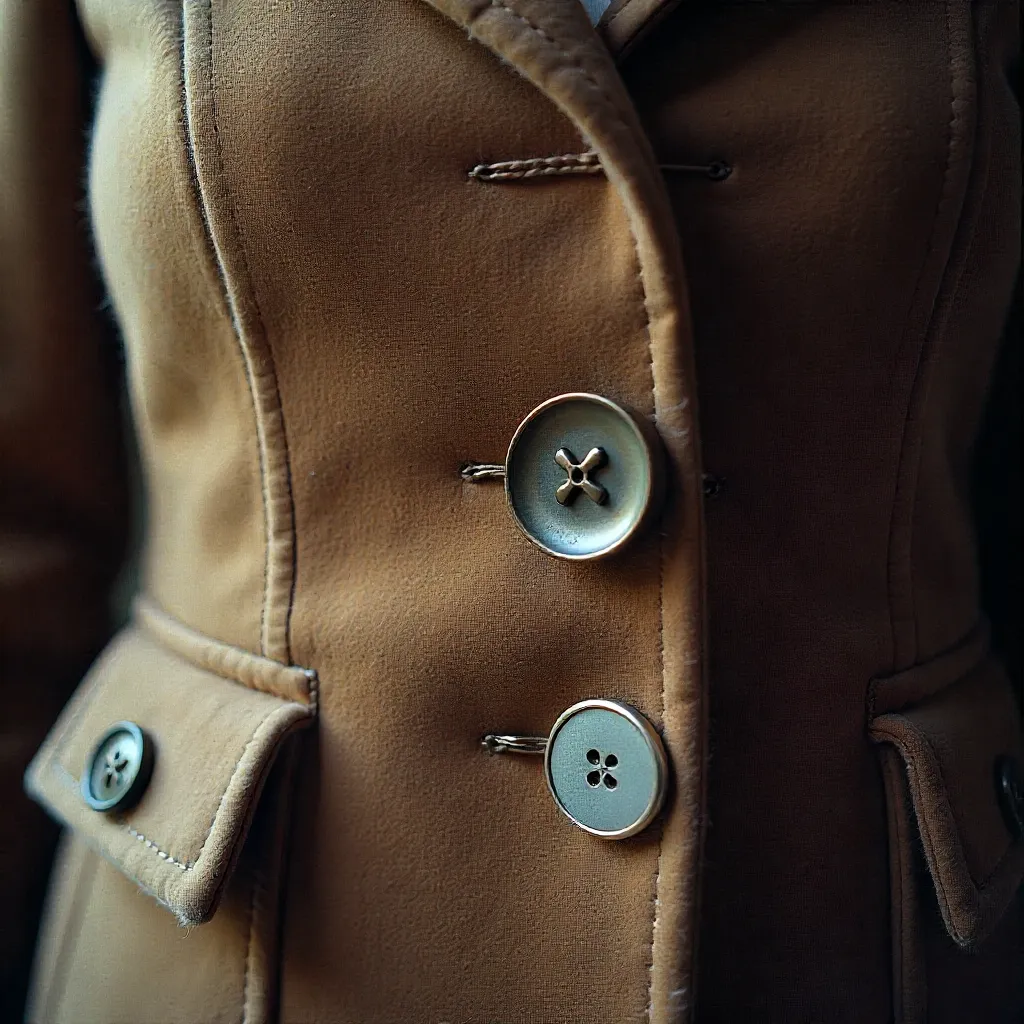
Mohair comes from Angora goats and features long, lustrous fibers with a distinctive halo. When repairing mohair garments, match the yarn's sheen and texture to maintain the fabric's characteristic appearance. The long fibers can be more challenging to secure, requiring careful attention to stitch tension.
Mohair's durability makes it suitable for visible mending techniques. The fiber's natural luster can make repairs blend beautifully when done with matching materials.
-
Icelandic Lopi
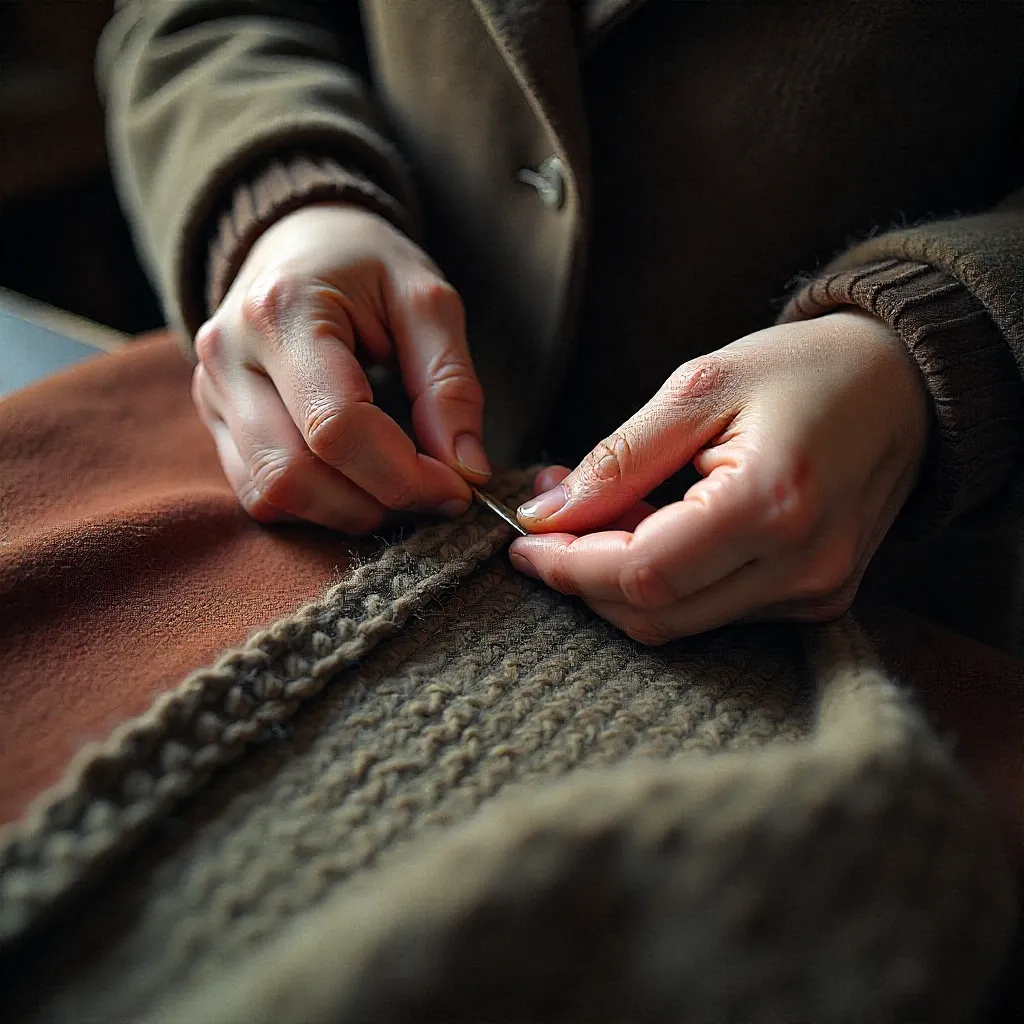
Icelandic Lopi is a traditional, unspun wool that creates thick, warm garments. Its unique structure requires specific mending approaches. Because the fibers aren't tightly spun, repairs need to account for the loose fiber structure while maintaining the garment's warmth.
Lopi garments often feature traditional patterns, so repairs should respect these design elements. The thick nature of Lopi means repairs are often more visible, making them good candidates for decorative mending techniques.